The Refugee Journey and Experience
A refugee is a person who is unable or unwilling to return to their country of nationality (or country of last habitual residence) because of persecution or a well-founded fear of persecution on account of race, religion, nationality, membership in a particular social group, or political opinion.
- In 2024, 100,034 refugees were resettled in the United States, representing the highest number in 30 years.
- Individuals with an immigration court case who were ultimately granted relief (asylum) in 2023 had waited more than 1,364 days on average for that outcome.
A New Beginning
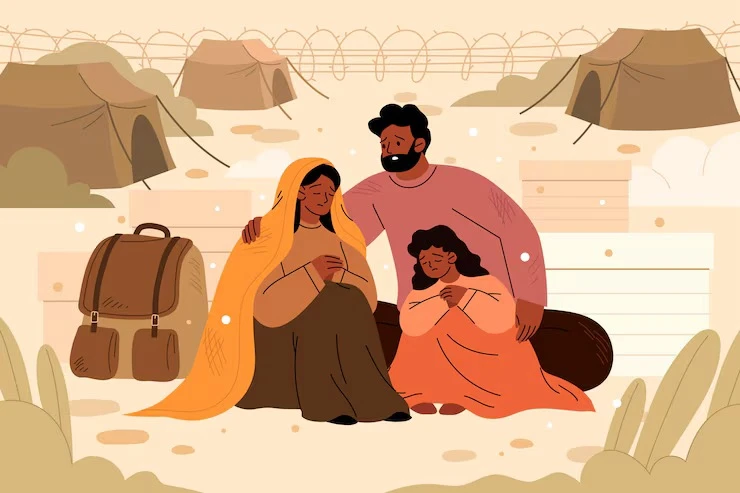
Many refugees are exposed to brutal or unjust conditions in their own country (war violence, lack of accessible education, lack of medical care, and more), and when they migrate, they are again exposed to new threats to their wellbeing known as "core stressors".
- Traumatic Stress: Traumatic stress occurs when a person experiences or witnesses a deeply distressing or disturbing event, leading to emotional, psychological, or physical reactions that can persist over time.
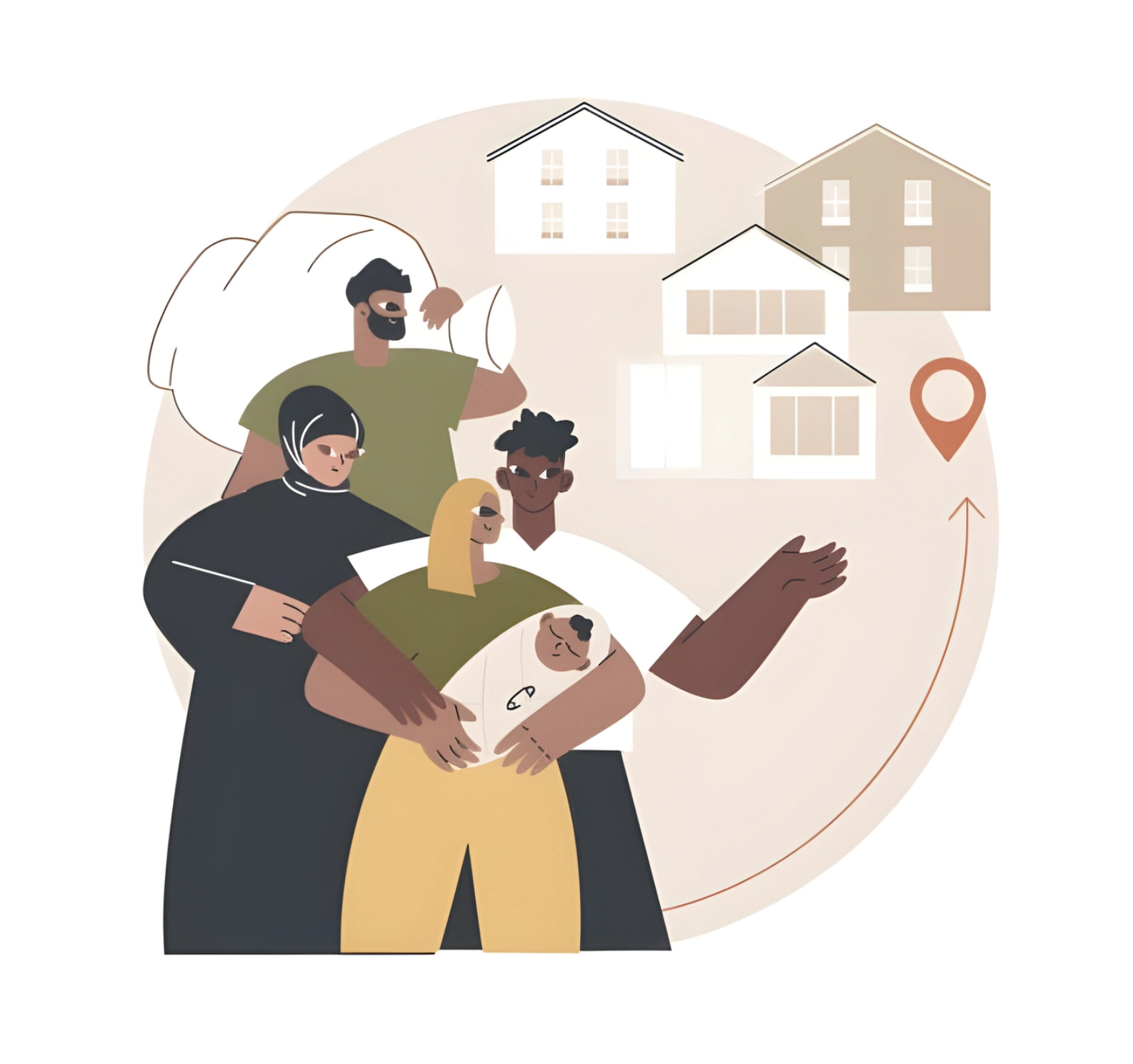
- Resettlement Stress: Resettlement stress involves the difficulties immigrants face while adapting to a new country, including overcoming economic hardship, finding housing, securing employment, and ensuring education for their children.
- Acculturation Stress: The psychological strain that comes with trying to adapt to the culture of your new home and becoming exposed to long term resettlement effects such as cultural discrepencies, language barriers, discrimination, and identity conflict.
- Isolation Stress: Resulting in feelings of loneliness and social isolation due to cultural differences, loss of social support, family separation, and financial instability which lead to a decline in mental health and an increased anxiety.