Art And Mental Health
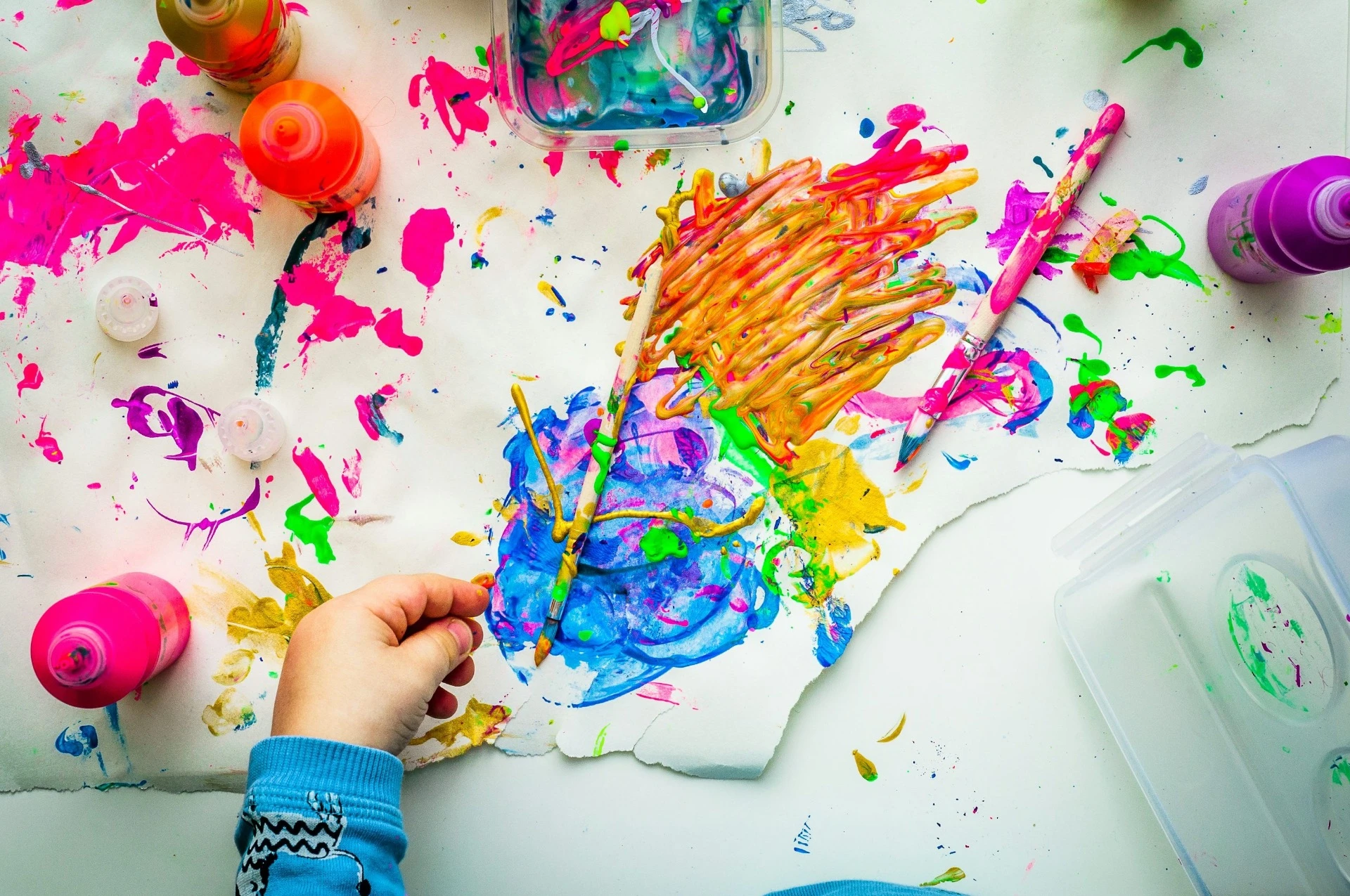
The refugee mental health crisis is not just caused by a lack of accessible resources, but the lack of quality resources tailored specifically to the needs of this community. With language barriers being the most common difficulty refugees face, utilizing pathways of nonverbal communication can be extremely valuable. Artistic expression allows for that communication between artist and audience. Through the use of color, lines, texture, or even sound, someone who could not at first describe their emotional state in words can utilize an outlet that humans have explored for thousands of years. Additionally, studies have shown that the process of creating art leads to an increase in mental and physical wellbeing, boosting cognitive function as well as improving self-esteem. This outlet of expression can be vital to communities that otherwise struggle with a lack of social networks or coping mechanisms.